
Music history
without borders.
Carvalho Monteloro started as a straightforward question: why does serious music history education require you to be in a specific city? We set out to answer it in 2015.

Three things we refuse to compromise on
Every decision about curriculum, format, and pacing comes back to these three points.
Context before dates
A list of composers and centuries is not music history. Our lectures explain why certain styles appeared when they did — what was happening politically, economically, and socially around them.
Listening as a method
Each lecture ties theory directly to recordings. Structural analysis happens while you hear the piece, not after reading about it in isolation. Ear training and historical understanding grow together.
Your schedule, not ours
All lectures are recorded in full and remain accessible indefinitely. There are no mandatory live sessions. Students in Vilnius, Tbilisi, or Buenos Aires start and pause exactly when it works for them.
Who actually writes and delivers the material
Our lecturers come from academic musicology backgrounds, but they teach as if explaining to a genuinely curious friend — not writing for a journal review panel.
None of our material is outsourced or generated by committee. Each course has a named author who responds to student questions directly.
See what courses are available-
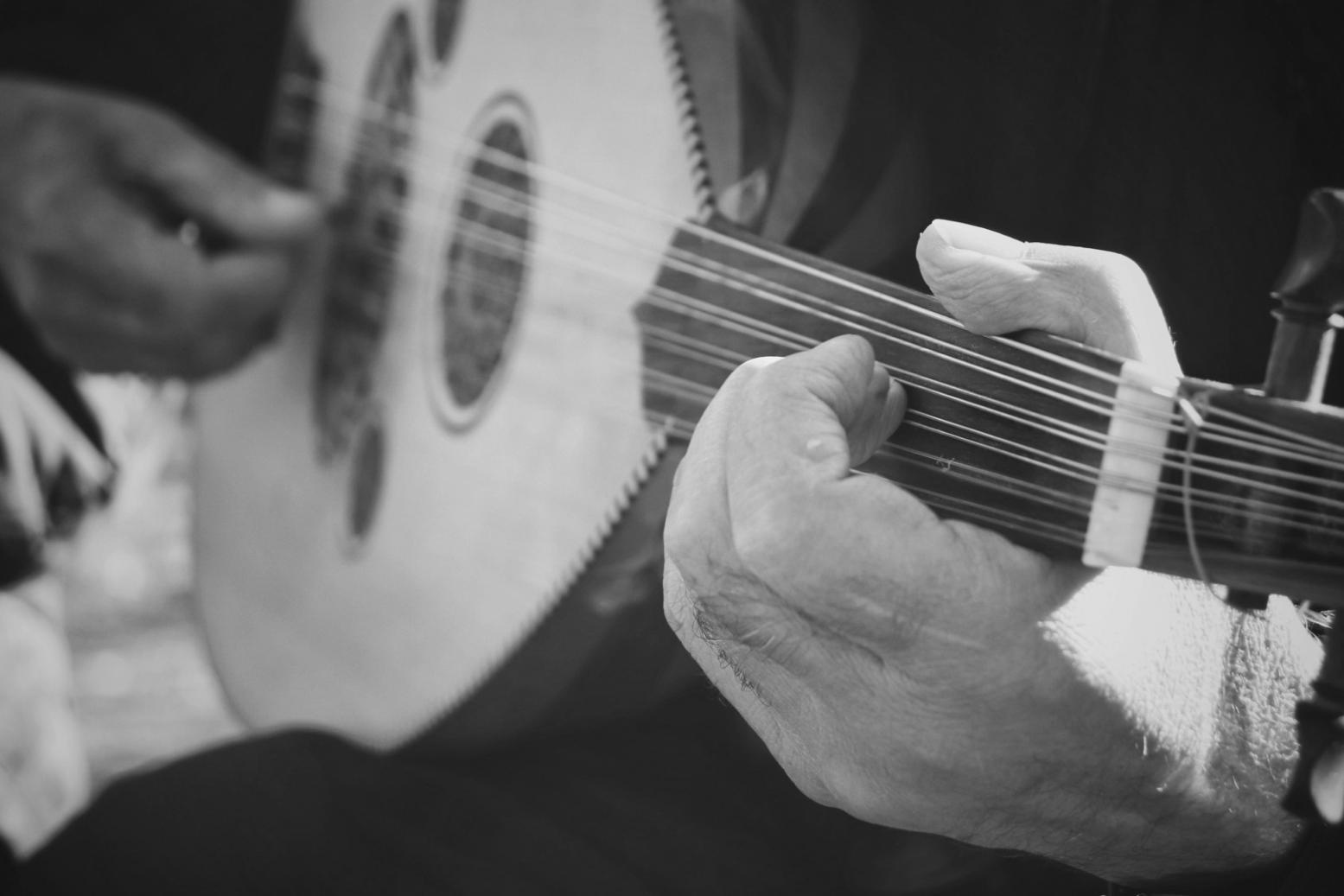
Orsolya Fekete
Lead Music History Lecturer
Specialises in the transition from Baroque to Classical periods. Her lectures on Handel's oratorio structure have become the most re-listened content on the platform.
-

Tibalt Vreugde
Curriculum Designer
Builds the sequential structure of each program, deciding which concepts must precede others. Previously taught at conservatory level in Ghent for eleven years.
-
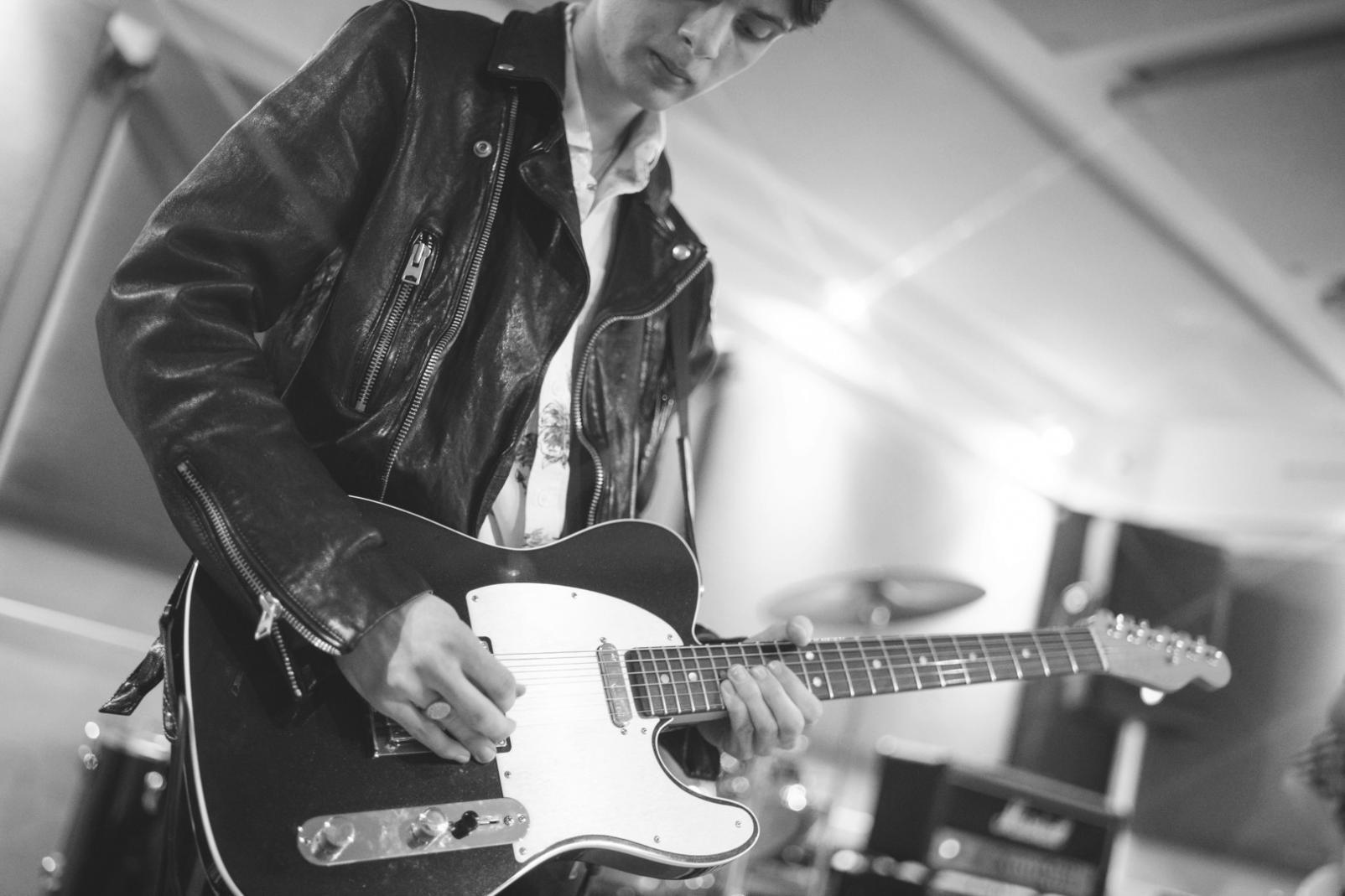
Dagmara Nowosielska
20th Century Specialist
Covers modernism, serialism, and the post-war avant-garde. Her approach cuts through jargon and focuses on what makes each movement a recognisable listening experience.
Where our students actually are
Geography stopped being a barrier the moment we moved to a fully asynchronous format. A student in Kharkiv and one in Medellín can follow the same lecture sequence at entirely different hours and pace.
The platform is built in English and designed for non-native speakers. Transcripts accompany every lecture, so dense vocabulary does not become a wall.